


Route 66 Cheese & Food Trail
Tradition | Community | Discovery
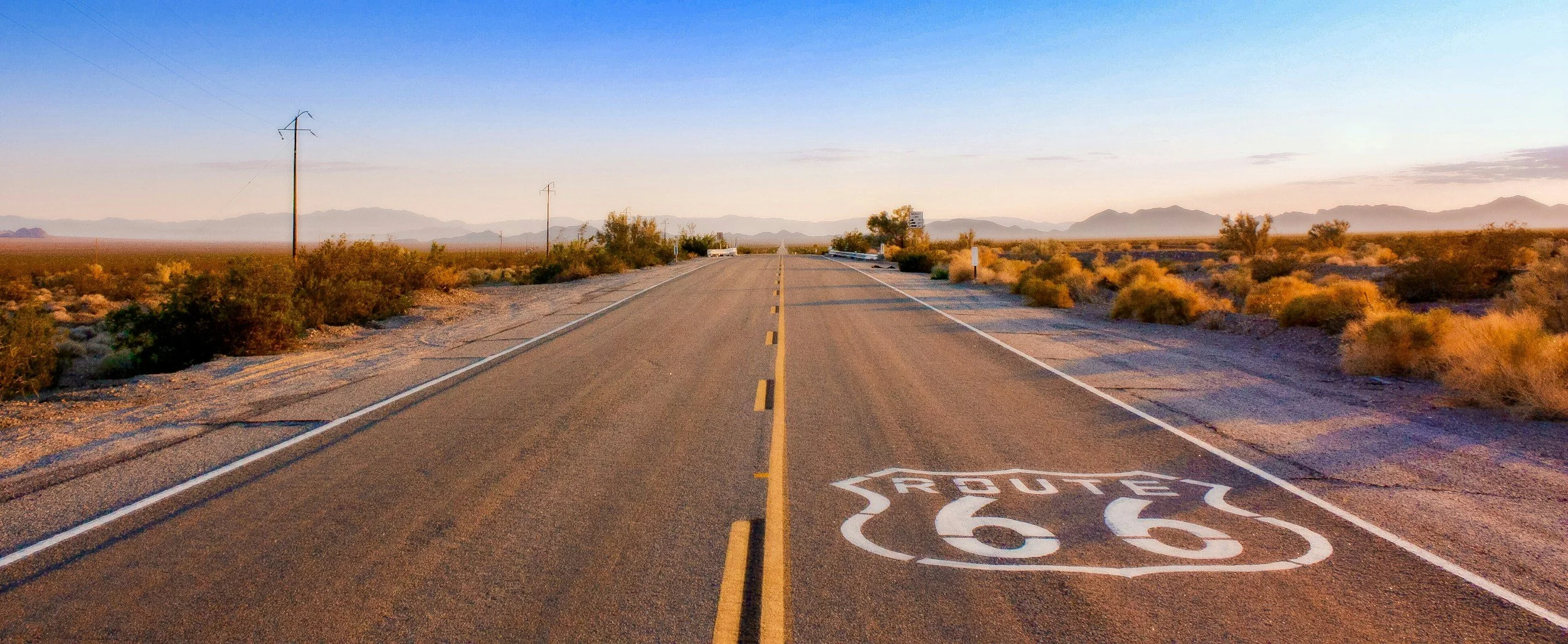
Celebrating 100 Years of Route 66
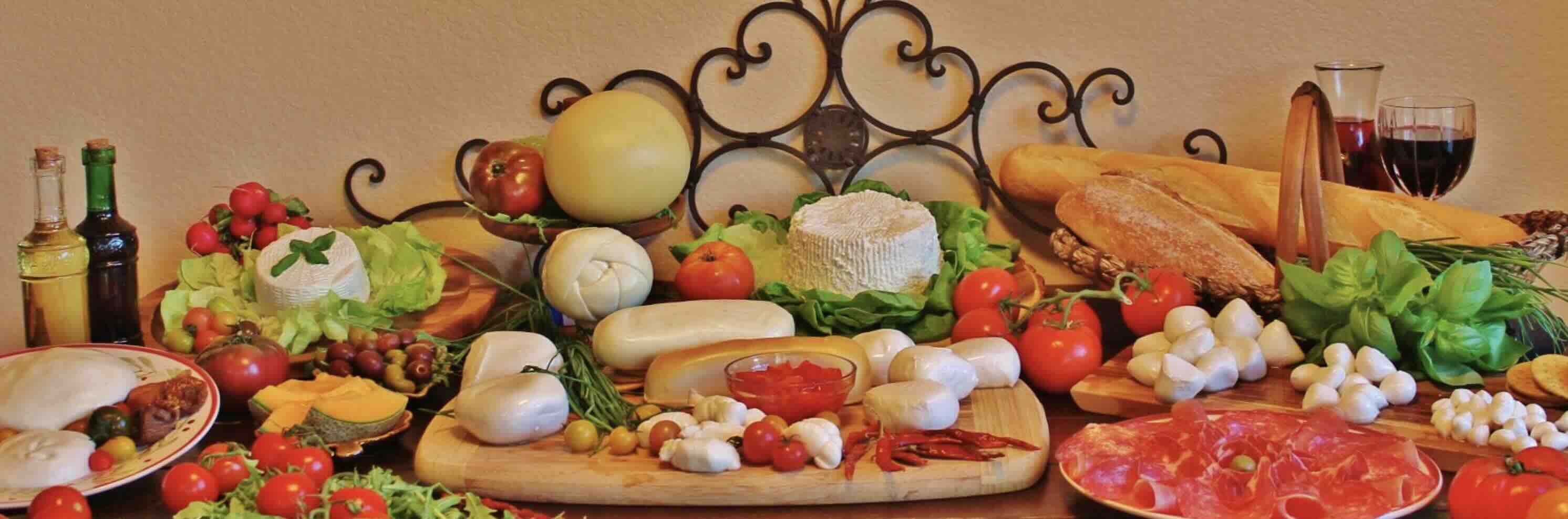
The Route 66 Cheese & Food Trail brings together cheesemakers, cheese shops & retailers, restaurants, and specialty food destinations. Eat your way through eight states along Route 66 and connect with travelers actively seeking authentic food experiences; become part of a once-in-a-century celebration!
Brought to you with support from the City of Albuquerque and the New Mexico Cheese Guild!
Thank you! Your submission has been received!
Oops! Something went wrong while submitting the form.


.jpg)
.png)


.jpg)


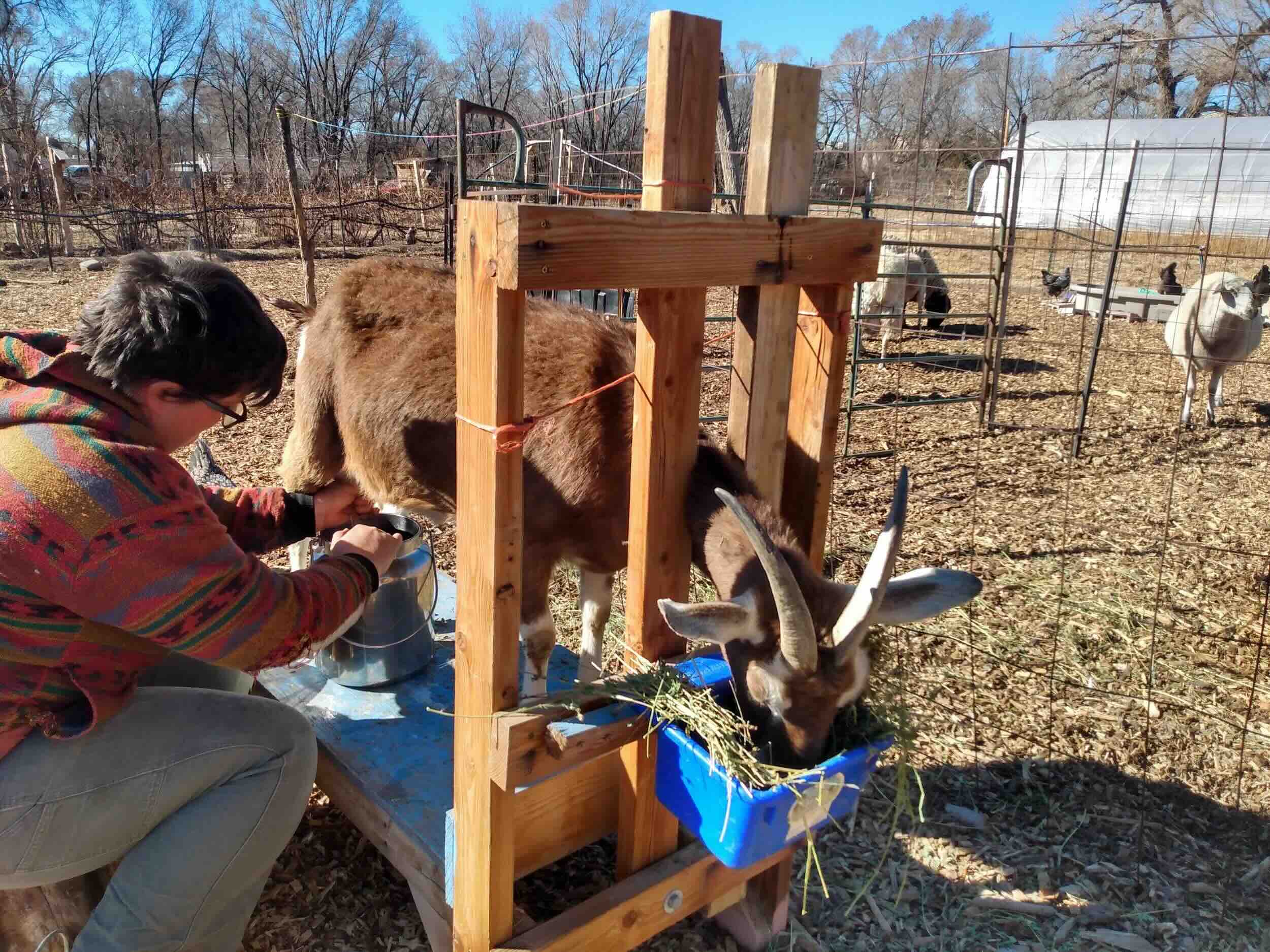


- The First Milking in America (1598)
New Mexico is the true cradle of U.S. dairying. In 1598, Don Juan de Oñate led 500 settlers and thousands of livestock to Ohkay Owingeh Pueblo to establish the province of Santa Fe de Nuevo México. Notably, it was sheep — not cows — that were primarily milked by this group, marking the first recorded instance of European-style dairying in what is now the United States. - Transhumance at Coonridge Dairy
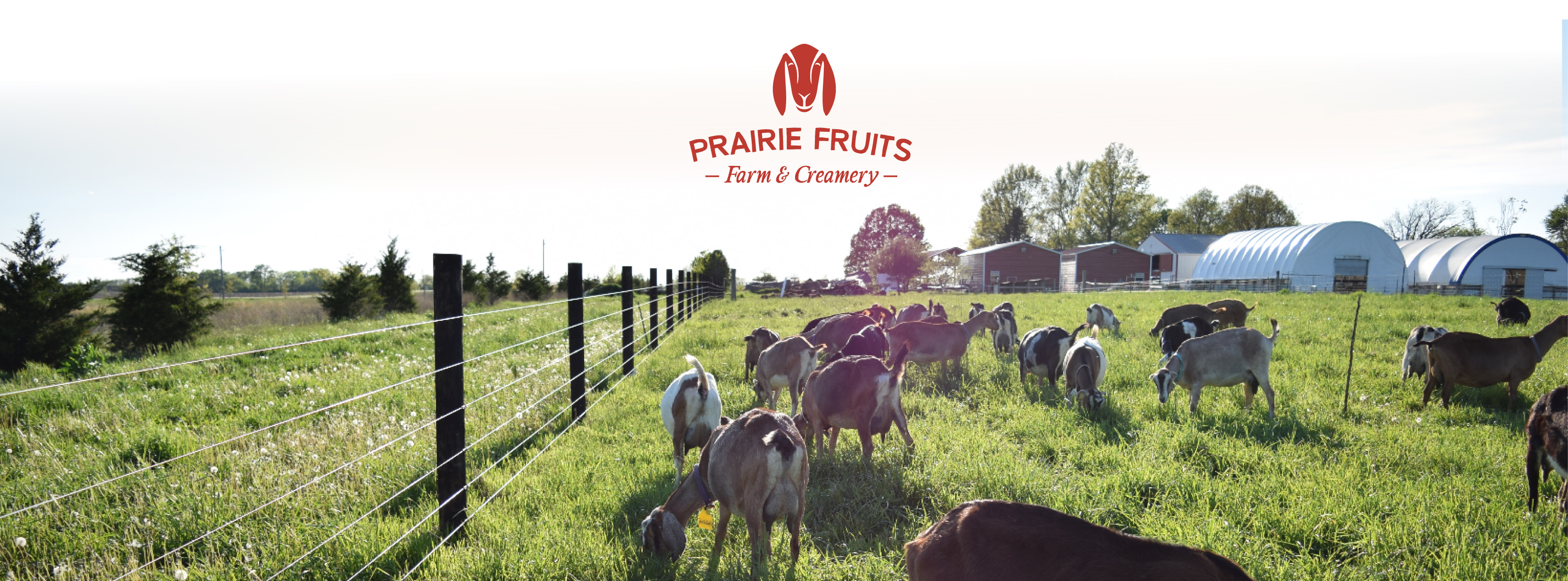
The legendary Coonridge Dairy is the only U.S. operation known to practice transhumance(migratory grazing).
Each morning, nanny goats hike into the mountains to forage on wild brush, grasses, and cacti, protected by Great Pyrenees guard dogs.
The kids (babies) stay at the farm, and the nannies and their guardian dog companions return every afternoon to be milked and reunite with their young.
This wild diet creates a goat cheese with flavors unique to the New Mexico wilderness. While Coonridge is no longer a commercial cheese operation, it remains a working off grid dairy farm and hosts international Woofer volunteers and learners from around the world to this day. - The Perfect Pairing
In New Mexico, cheese has a historical soulmate: the Green Chile: Whether it's creamy Asadero or sharp Cheddar, the state’s dairy legacy is best defined by this iconic pairing—a culinary tradition blending Spanish livestock heritage with ancestral Pueblo agriculture. Many of the largest cheesemakers in the world seek out NM green chile to infuse into their cheese (eg Beemster - although they incorrectly refer to it as “pepper” which any New Mexican would scoff at. - Many early Spanish settlers in New Mexico were of Jewish descent (Crypto-Jews) who stayed true to their dietary traditions of not mixing milk and meat. Through collaboration with Indigenous communities, they discovered a way to make cheese without animal-derived rennet: They used the juice of the Silverleaf Nightshade (Trompillo) berry as a plant-based coagulant.This cross-cultural exchange allowed for the production of cheese that honored both local botanical knowledge and ancestral dietary needs.
- While New Mexico has deep artisanal roots, it is now home to some of the largest average dairy herd sizes in the nation.This industrial expansion is fueled by permissive environmental regulations and a unique tolerance for diverse political ideologies.As water becomes increasingly scarce, the massive scale of these modern dairies presents a significant challenge to the state’s fragile desert ecosystem.
- Spanish settlers introduced dairy goats and cows in the 1600s, initiating the local tradition of cheese-making, which was later enhanced in the 1800s with the introduction of cream separators.
- Southwest Cheese Company in Clovis, New Mexico, is the largest single-site cheese factory in North America, processing up to 300 loads of raw milk daily. (NOTE: 72 miles from Route 66 and NOT an open cheesemaker)
- California is the leading producer of milk in the United States, producing over 18% of the nation's total supply as of 2025.
- Gardening took a new form when Elmer Long created a forest of over 200 “trees” made from pipes and bottles located in Oro Grande in the Mojave Desert. The attraction is open and free for visitors.
- Did you know it’s illegal in Illinois to fall asleep in a cheese shop?
- Collinsville, IL is home of the largest catsup bottle (which is now a water tower). They even have an annual catsup bottle festival, which features a giant Idaho Potato truck.
- In 1930, Ollie, from Elm Farm in Bismark, Missouri, was the first cow to have flown in an airplane.
- The Shawnee Trail, running through Baxter Springs, Kansas, was the first major route in the 1800s, used by the cattle trailing industry to deliver longhorns to the markets of the Midwest.
- With just 13 miles, Kansas has the shortest portion of Route 66.
- The Old Riverton Store, located in Riverton, serves up deli sandwiches in its historic location that inspired the making of Pixar’s Cars.
- "Texas" comes from a Caddo Indian word tejas, meaning "friends" or "allies".
- Texas has about 12 million cattle, more than any other state in the country.
- Texas ranks as the #1 most cheese-obsessed state, with 1,178 annual searches per 100K residents.
- Because much of Texas is so hot, goats, rather than cows, goats are a more practical and financially feasible option for modern cheesemakers.
- Stop by the town of Seligman, Arizona for an array of old-time diners, with one offering 200 types of milkshakes and malts.
- Oklahoma’s official state meal is fried okra, squash, cornbread, barbecue pork, biscuits, sausage and gravy, grits, corn, strawberries, and pecan pie.
- Beaver, Oklahoma, hosts the World Championship Cow Chip Throw. (TOO far from Route 66).